Resources
A Public Health Approach to Policing Community Violence
What is Community Violence?
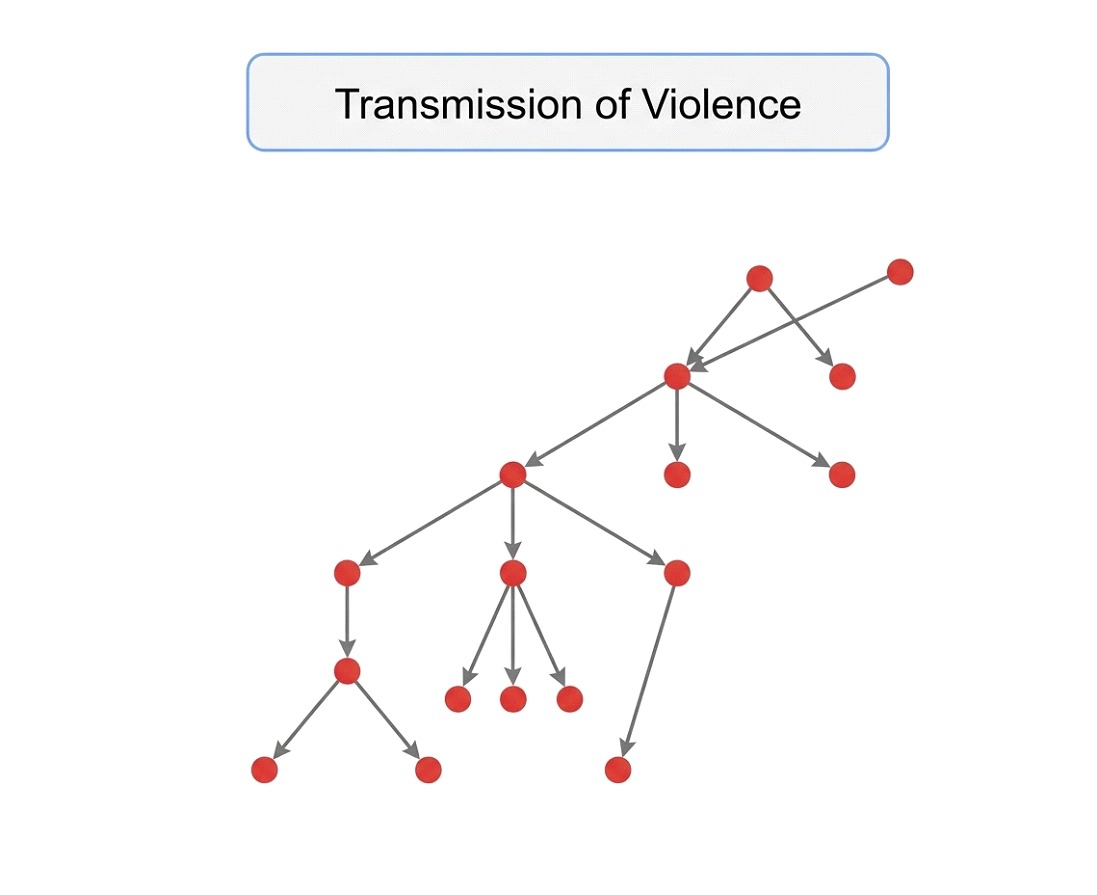
Community violence consists of interpersonal firearm violence committed in public areas between individuals who are not related. It is hyper concentrated among a tiny percentage of the population and is intensely retaliatory, often leading to cascades of violence that can last for years.
Criminal Legal vs. Public Health Approach
Traditionally, society has viewed violence through a criminal legal lens: a matter of laws, individual choices, and punishment. The primary problem with this approach is that it often reacts to violence after the fact, failing to address the underlying drivers of retaliatory cycles. This can lead to over-policing and a breakdown of community trust without necessarily stopping the next shooting.
A public health approach shifts that perspective. It treats violence like an epidemic—an infectious disease that can be tracked, contained, and prevented. By identifying the “transmission” of violence (retaliation) and addressing root causes, this model seeks to save lives by disrupting the cycle before it continues.
What is a Public Health Approach to Policing?
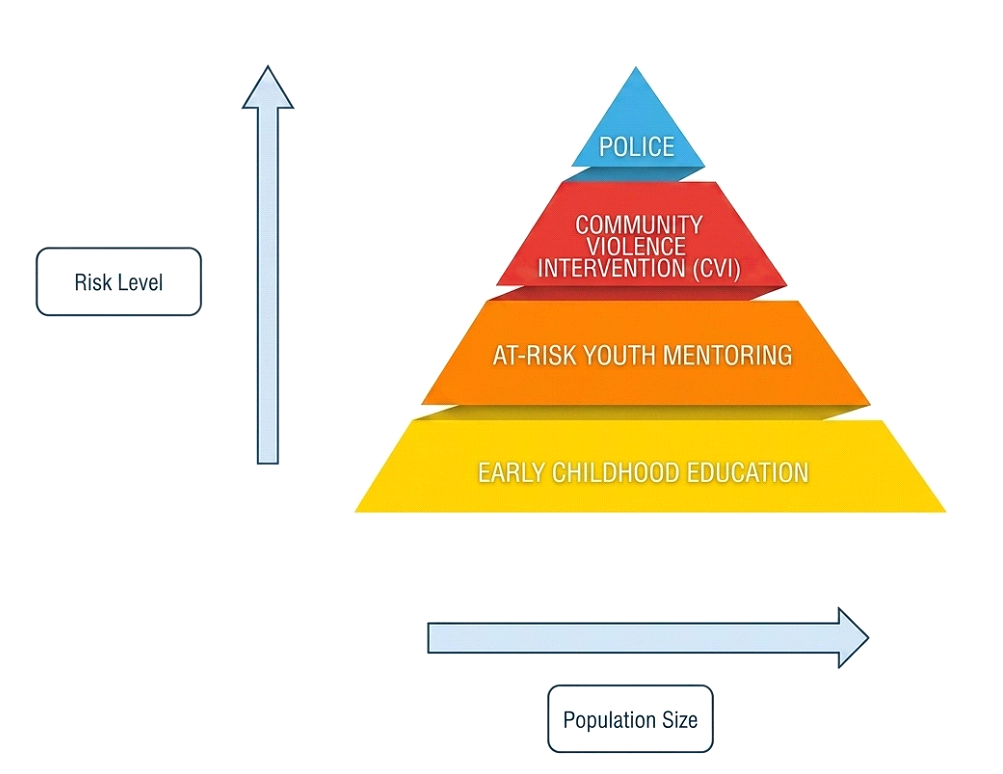
A public health approach to policing community violence isn’t about “soft” enforcement; it’s about precision and partnership. In this model, police focus on deterring violence and referring those at highest risk to community violence intervention (CVI) programs.
When policing is integrated into a public health framework, the police stop being the only tool and start being a specialized tool. They function as part of a multi-disciplinary ecosystem where law enforcement serves as a “gateway to help,” rather than just a “pathway to prison”.
SAVE: The Bridge Between Police and CVI
SAVE is specifically designed to interrupt retaliatory cascades of community violence by combining prevention, partnerships, and communications. It functions via a three-component framework:
⦁ IDENTIFY: Data-driven intelligence gathering to identify shooters and likely retaliators.
⦁ DETER: Strategic enforcement via swift arrests of shooters, combined with “Direct Communications”—clear, proactive warnings to likely retaliators that the violence must stop and that further violence will result in swift enforcement.
⦁ REFER: A direct connection of high-risk individuals to Community Violence Intervention (CVI) programs and social services to provide a viable alternative to violence.
We help our clients operationalize this framework by establishing dedicated infrastructure with specialized roles:
Prevention — SAVE Unit + SAVE Patrol
An elite police unit supported by every patrol officer that combines swift, certain enforcement of shootings with rapid referrals of likely retaliators to community violence intervention programs.
Partnerships — SAVE Board
A leadership council consisting of local government, law enforcement, social services and community dedicated to ensuring people at highest risk get the help they need.
Communications — SAVE Comms
Clear, regular communication to translate progress into perception and address the fear of crime in addition to crime itself.
If your community is interested in partnering to institutionalize a public health approach to policing community violence, reach out to us at nloumos@guardianconsulting.us